BLOG


The benefits of manual lymphatic drainage

manual lymphatic drainage

Background on manual lymphatic drainage

Manual lymphatic drainage (MLD) is a form of bodywork done by a licensed therapist. It is a gentle technique that increases lymph flow, helps move stagnant lymph, reduces swelling (also known as edema), soothes pain and discomfort, and supports the immune system. Lymph a clear to pale-yellow fluid that is part of the body’s immune system. It circulates through a network of vessels, and its job is to collect bacteria, waste, and cellular debris from tissues. Lymphatic organs include the spleen, thymus, and tonsils. Lymph nodes filter the lymph and return it back to the bloodstream. While the heart pumps blood through the body, lymph relies on the body’s movement to circulate lymph through the vessels. Manual lymphatic drainage is a great way to help lymph circulate through the body.


How manual lymphatic drainage differs from traditional massage therapy

While manual lymphatic drainage and traditional massage both use hands-on therapeutic techniques to promote health and well-being, MLD has some unique traits. MLD uses very light pressure and rhythmic stretching of the skin move lymph toward lymph nodes and stimulate a process called anastomosis. Anastomosis is the formation of new connections between the skin and adjacent vessels. The lymph is directed toward areas of the body with working lymph nodes that process and filter the lymph. Unlike traditional massage, MLD does not use lubricants. This is because lotions and oils create a slick surface that would inhibit the ability to gently stretch the skin and underlying tissues that is required to stimulate the lymphatic vessels just below the surface of the skin.


Conditions addressed

Manual lymphatic drainage can help with a wide variety of conditions involving the lymph. MLD promotes detoxification, relaxation, cellular-level immunity, and enhances the beauty of the skin. You can also benefit from MLD if you have any of the following conditions:

  • Lymphedema
  • Phlebo-lymphostatic edema (combined lymphedema and venous insufficiency)
  • Post-surgical edema
  • Post traumatic edema
  • Lipo-lymphedema
  • Lipedema
  • Complex regional pain syndrome (CRPS or RSD)
  • Rheumatoid arthritis
  • Scleroderma
  • Cyclic idiopathic edema
  • Venous insufficiency
  • Fistulas
  • Burns
  • Recovery from cosmetic surgery
  • Rosacea
  • Acne
  • Sinusitis
  • Chronic fatigue
  • Chronic pain
  • Fibromyalgia
  • Lyme’s disease
  • Constipation


Contraindications

Manual lymphatic drainage should not be performed when any of the following conditions are present:

  • Untreated congestive heart failure (CHF / cardiac edema)
  • Acute infection (like cellulitis or erysipelas)
  • Renal failure
  • Acute deep vein thrombosis (DVT)
  • Malignant lymphedema


Please note that MLD should also not be performed directly on the abdomen during pregnancy or when acute conditions like diverticulitis, IBS, or Crohn’s disease are present. It should not be performed directly on the neck in cases of thyroid conditions, a hypersensitive carotid sinus, or with cardiac arrhythmia.  In these cases, your therapist can perform MLD on other parts of the body.


What to expect

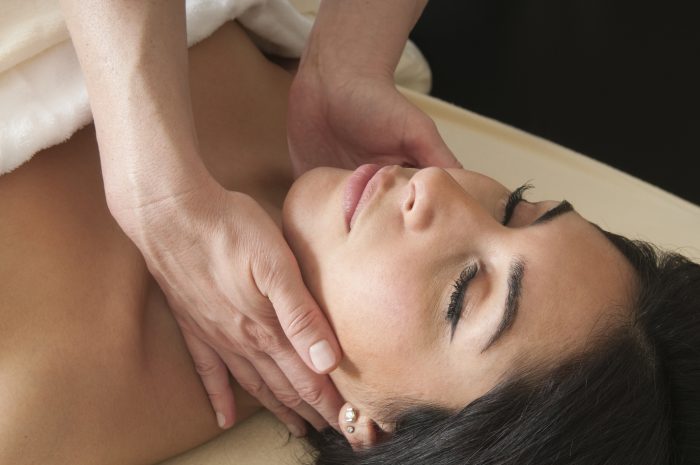
During a treatment, you relax under a sheet and blanket on a massage table. Your therapist’s warm hands will gently and rhythmically stretch the skin. The treatment is wonderfully relaxing. It’s not uncommon to feel increased thirst or experience increased urination afterward as your lymphatic system becomes more active and balanced. Overall, you can expect to feel lighter and more relaxed after a session!


Treatment series

Manual lymphatic drainage is best done in a series of treatments. We recommend scheduling one initial session and then a series of shorter weekly follow-up sessions to help establish a healthy lymphatic flow and achieve a faster pace of healing. Your therapist will recommend a treatment plan customized specifically for you. If needed, you can space our your sessions.


Ready to start your healing with MLD?  Click here to book online.


Finally, not sure what type of treatment would be best for you?  For example, is manual lymphatic drainage, therapeutic massage, or acupuncture a better fit? Please click this link to schedule a free 10-minute call with our senior scheduling receptionist who will be happy to answer any questions you have and advise you on the best services and practitioner to meet your unique needs.


Any further questions? Please reach out and email us through our website or call or text 910-622-4269.


About the Author

Ericca Burke is the owner of HAVEN Acupuncture & Chinese Medicine where she provides acupuncture and Chinese medicine treatments in Wilmington, NC. Click this link to read more about Ericca. 


About HAVEN Acupuncture & Chinese Medicine in Wilmington, NC

HAVEN Acupuncture & Chinese Medicine is an acupuncture and Chinese medicine practice located in Wilmington, NC just minutes from beautiful Wrightsville Beach. Click this link for contact information and directions. Click this link for a listing and description of services offered.

The benefits of myofascial release therapy

Myofascial release therapy

Background on myofascial release therapy

Myofascial release (MFR) therapy is a form of bodywork done by a licensed therapist. It is a technique that uses gentle holds to release the fascia, which is the connective tissue of the body. The fascia surrounds and supports all the muscles, bones, nerves, and organs throughout the body. It acts as a supportive structure that provides stability, and it is also thought of as the body’s “soft skeleton”.


The fascia can become restricted through injury, surgical scars, inflammation, and poor posture. Tight fascia can result in decreased mobility, restricted blood flow, and even pressure on nerves, which can cause pain, numbness and tingling. A myofascial release therapist works with the fascia to identify and release restrictions to restore mobility and health. In this way, MFR gets to the root of the issue by releasing the restricted fascia, which is causing pain and discomfort, delivering lasting results.


How myofascial release differs from traditional massage therapy

While myofascial release and traditional massage both use hands-on therapeutic techniques to ease pain and promote relaxation, myofascial release has some unique traits. MFR focuses on slower movements where the therapist senses and responds to changes in the fascia, This gentle sustained pressure and stretching of the fascia creates what is called the piezoelectric effect. The piezoelectric effect refers to the electrical energy that is created from applying gentle prolonged pressure to the fascia. While oils and lotions are used in traditional massage therapy, oil is not used in myofascial release therapy because oil creates a barrier to generating the piezoelectric effect.


As described in the article Myofascial Release vs. Traditional Massage: What’s the Difference? , the piezoelectric effect has three main benefits:

  1. Healing injuries. The electrical charges in the fascia instruct the surrounding cells to repair and regenerate damaged tissue.
  2. Tissue recovery. Myofascial release stimulates the tissues to produce collagen, which is a primary building block of the fascia. The collagen helps the fascia to become more relaxed and fluid which improves flexibility and mobility.
  3. Pain regulation. The electrical charges produced during myofascial release relieve pressure on nerve tissues and nourish nerve cells which decreases pain. This action also helps nerve tissues heal.


Conditions addressed

Myofascial release therapy can help with a wide variety of conditions involving the fascia. You will benefit from MFR if you have:

  • Chronic pain
  • A new or old injury
  • Posture difficulties
  • Post-surgical scars
  • Repetitive use syndromes
  • Difficulty navigating life changes
  • Conditions where nothing seems to help


Additionally, myofascial release therapy is very beneficial to a variety of women’s health conditions as described on the John Barnes myofascial release website , including:

  • Vulvodynia
  • Interstitial Cystitis
  • Mastectomy Pain
  • Menstrual Problems
  • Painful Intercourse
  • Urinary Frequency
  • Problematic Breast Implant/Reduction Scars
  • Coccydynia
  • Endometriosis
  • Infertility Problems
  • Urinary Incontinence
  • Lymphedema
  • Urinary Urgency
  • Episiotomy Scars
  • Pelvic Floor Pain
  • Pudendal Nerve Entrapment

Myofascial release is a wonderful therapy on its own, and it is also complementary to acupuncture treatments.


What to expect

During a treatment, you wear shorts and an exercise bra (for women) while you relax under a sheet on our massage table. Your therapist’s warm hands gently hold and ease the connective tissue and any restrictions to relieve pain and restore range of motion. The treatment is wonderfully relaxing. Be ready to feel more open, flexible, and even taller after a session!


Treatment series

Myofascial release is best done in a series of treatments. We recommend scheduling one initial session and then three weekly follow-up sessions to help break patterns and achieve a faster pace of healing. Sessions can also be spaced out if needed.


Ready to start your healing with myofascial release? Click here to book online.


Finally, not sure what type of treatment would be best for you?  For example, is myofascial release or acupuncture a better fit? Please click this link to schedule a free 10-minute call with our senior scheduling receptionist who will be happy to answer any questions you have and advise you on the best services and practitioner to meet your unique needs.


Any further questions? Please reach out and email us through our website or call or text 910-622-4269.


About the Author

Ericca Burke is the owner of HAVEN Acupuncture & Chinese Medicine where she provides acupuncture and Chinese medicine treatments in Wilmington, NC. Click this link to read more about Ericca. 


About HAVEN Acupuncture & Chinese Medicine in Wilmington, NC

HAVEN Acupuncture & Chinese Medicine is an acupuncture and Chinese medicine practice located in Wilmington, NC just minutes from beautiful Wrightsville Beach. Click this link for contact information and directions. Click this link for a listing and description of services offered.

Hot or cold? Why acupuncturists love warmth

hot or cold

Hot or cold?

Is hot or cold best while recovering from an injury? Typically, people choose cold. It’s instinctual. Remember when you were a child, and the school nurse gave you an ice pack when you got hurt? Many of us have been conditioned to reach for ice as soon as we have an injury. Later, if an injury is lingering, people start to wonder if hot or cold would be better.


Cold therapies

In addition to using ice to treat injuries, people are using ice for overall wellness. Many health-conscious people turn to cold therapies to promote their health and vitality. Cold therapy is becoming increasingly popular, with options like cold plunges and cryotherapy popping up everywhere.


What does cold do?

Cold contracts. It stops movement. It tells the body to “freeze”. So, if someone has an injury with swelling that hurts, ice will stop or limit the swelling. The cold numbs the injury. The pain lessens. Because the swelling and the pain appears to be better, people think that the ice was beneficial.


What does heat do?

Heat, and warmth in particular, creates gentle movement. It loosens and softens. It promotes circulation. In Chinese medicine, we look for balance. Not too much one way or the other. When we’re looking to help heal cold conditions, we don’t want to go too far in the other direction with extreme heat. Warmth is a gentle medium. A temperature that feels comforting and good. I emphasize this point because often people think that if a little bit of something is good, then more must be better. In this case, warmth is the middle ground that can greatly support healing.


What the experts say

Dr. Gabe Mirkin, the doctor who wrote the Sportsmedicine Book, coined the term RICE. Rice stands for rest, ice, compression, elevation. It was the gold standard for the treatment of athletic injuries. In the past 10 years, Dr. Mirkin has reversed his recommendation in an article called Why Ice Delays Recovery. In this article, he shares that ice may actually delay healing. Ice causes blood vessels to constrict. This prevents the body from bringing healing cells to the injured area.


Anne Cecil-Sterman, an expert in Chinese medicine and one of my favorite teachers, wrote a fascinating blog called Cold Plunge, Cold Shower, Hot Mess. Anne is very straightforward and calls things like she sees them. In this blog, she shares how the body responds to the shock of cold and moves the cold into the joints to protect our organs, often resulting in chronic joint pain and arthritis.


Consider warmth instead of ice

When patients have an injury that is slow to heal, I’ll ask what they have been doing. Frequently, they’ll tell me they have been icing it for weeks or even months. They can’t figure out why they’re not getting better.


I often have new patients call asking for help because they woke up in pain one day, and they don’t know what happened. Usually, their neck or shoulder is stiff and sore. I’ll ask them if they went outside in the cold with wet hair, or if they slept with a window open or a fan that blew cold air on them. Usually, the answer is yes.


In all of these cases I ask if a hot shower or bath helps them feel better. Most times, patients will say yes. I suggest that patients try to avoid cold air blowing directly on the injured area. Maybe even take a break from ice and consider warmth instead. Patients are often pleasantly surprised to find they start feeling better.


Consider a topical liniment like Zheng Gu Shui

Right after an injury, support the body’s natural inflammatory and healing process. Consider using a topical liniment instead of ice. Zheng Gu Shui is a 500-year-old topical Chinese herbal analgesic formula that is also known as “rectify bone liquid” or “royal bone water”. From a Chinese medicine perspective, it disperses blood, fluid, and energetic blockages to facilitate healing. It increases circulation, eases pain, strengthens connective tissues, speeds bone regrowth, and shortens injury recovery time. Learn more in my blog How Zheng Gu Shui can help you.


Use a warm neck wrap

neck wraps

I frequently recommend to patients that they apply gentle warmth at home to facilitate healing. A neck wrap is the perfect size and shape for many parts of the body, and it can be heated in the microwave. I recently found an artist in Wisconsin who creates small batch handmade neck wraps. These wraps are made from the softest flannel and filled with rice and lavender. They smell heavenly, especially when warmed up. Our patients love these neck wraps!


When to see a Doctor

Please note that the information in this blog is to support you when you’re healing from an injury and considering hot and cold therapies. It is not a substitute for medical advice. It is important to see a doctor to have any injury evaluated as soon as possible after the injury occurs and rule out any serious conditions.


Want to talk about how acupuncture and Chinese medicine can help you? We’d love to hear from you. Please click this link to schedule a free 10-minute call with our senior scheduling receptionist who will be happy to answer any questions you have and advise you on the best services and practitioner to meet your unique needs.


Any further questions? Please reach out and email us through our website or call or text 910-622-4269.


About the Author

Ericca Burke is the owner of HAVEN Acupuncture & Chinese Medicine where she provides acupuncture and Chinese medicine treatments in Wilmington, NC. Click this link to read more about Ericca. 

The benefits of acupuncture and therapeutic massage

therapeutic massage

Acupuncture and therapeutic massage

Acupuncture and therapeutic massage are a powerful healing combination. Over the years, many patients have asked me about massage, and I recently decided to expand my practice to include therapeutic massage. I am a strong believer in complementary healing modalities, and I personally love massage. It’s a wonderful tool to include in your self-care toolkit.


Therapeutic massage

Therapeutic massage is a type of massage that involves focused work on soft tissues of the body, specifically, the muscles, tendons, and ligaments. It is sometimes referred to as a medical massage. Therapeutic massage helps release tension, improve range of motion, and heal injuries. This type of massage can also help relieve pain, elicit the relaxation response, reduce stress, and improve your mood. Each individual receives a massage customized to their specific needs.  Many pioneering medical institutions like the Cleveland Clinic advocate the benefits of massage, as shown in this Cleveland Clinic article titled Why You Should Try Medical or Therapeutic Massage.


Chair massage

 As I was brainstorming on massage offerings, the licensed massage therapist who joined my practice suggested offering chair massage in addition to the traditional 60- and 90-minute full body massage sessions. I was excited to find a variety of research articles detailing the benefits from a 15-minute chair massage. Specifically, research has shown that just 15 minutes in a massage chair has many benefits including reducing tension, stress and anxiety, lowering blood pressure, increasing blood circulation, and strengthening the immune system.

Here are links to a sampling of research studies showing the benefits of a 15-minute chair massage:


How a chair massage works

A chair massage is a massage performed while you are seated in a specialized massage chair that is ergonomically positioned. Your face rests in a comfortable headrest, and special arm rests support your arms. This allows the body to relax, and the massage therapist focuses on relieving tension in the neck, shoulders, and back. The massage is done through the clothes, so there is no need to change or shower after the session. It’s a very efficient way to get quick tension relief.


How to combine acupuncture and massage

I have found many conflicting recommendations on how to best combine acupuncture and massage. Some suggest massage first, then acupuncture. Some suggest the opposite. Others suggest separating the two by varying amounts of time.


In my Classical Chinese medicine training, we were taught to recommend separating treatments by at least 24 hours. This is because our energetic body follows a schedule called the Chinese organ body clock. Every two hours a different organ system is either at its peak function of activity or its lowest activity or time of rest, just like the tides in the ocean. There are 12 different organ systems that follow this schedule over a 24-hour period. You can learn more about this topic in my blog about the Chinese organ body clock.


Waiting 24 hours after an acupuncture treatment or a massage gives your body time to fully take in and process the energetic message you received from your treatment. I often suggest to patients that they consider alternating weekly acupuncture and massage treatments. For example, they have an acupuncture treatment one week and then a massage treatment the following week. This is not to say that following a different schedule will not be effective, rather, it’s a way to ensure the body fully processes the benefit from the specific treatment with no other influences.


Want to talk about how acupuncture and therapeutic massage can help you? We’d love to hear from you. Please click this link to schedule a free 10-minute call with our senior scheduling receptionist who will be happy to answer any questions you have and advise you on the best services and practitioner to meet your unique needs.


Any further questions? Please reach out and email us through our website or call or text 910-622-4269.


About the Author

Ericca Burke is the owner of HAVEN Acupuncture & Chinese Medicine where she provides acupuncture and Chinese medicine treatments in Wilmington, NC. Click this link to read more about Ericca. 


About HAVEN Acupuncture & Chinese Medicine in Wilmington, NC

HAVEN Acupuncture & Chinese Medicine is an acupuncture and Chinese medicine practice located in Wilmington, NC. It is just minutes from beautiful Wrightsville Beach. Click this link for contact information and directionsClick this link for a listing and description of services offered.

How Zheng Gu Shui can help you

Background on Zheng Gu Shui

Zheng Gu Shui is a 500-year-old topical Chinese herbal analgesic liniment that is also known as “rectify bone liquid” or “royal bone water”. The formulation of Zheng Gu Shui that we use at HAVEN Acupuncture & Chinese Medicine is called Evil Bone Water. Evil Bone Water is a hand-crafted version of Zheng Gu Shui that is made by master herbalist Saint Apothecary in the USA using only ethically sourced, imperial grade ingredients. The term “evil bone” refers to any bone pathology like arthritis, sprains, and broken bones.


Evil Bone Water penetrates down to the bone level. From a Chinese medicine perspective, it disperses blood, fluid, and energy blockages to facilitate healing. Additionally, it increases circulation, decreases inflammation, eases pain, strengthens connective tissues, speeds bone regrowth, and shortens injury recovery time.


How can it help you? Here’s a list of common uses:

  • Anything that is painful or sore and needs to heal
  • Incidental Injuries (particularly sports injuries)
  • Broken bones
  • Arthritis
  • Joint pain
  • Spinal pain
  • Muscle & Ligament Pain
  • Bruising
  • Sprains
  • Plantar fasciitis
  • Cuts & Insect Bites


From Saint Apothecary: “The power of Evil Bone Water is that is actually helps the problem instead of just patching up the symptoms.”


Here are the Materials/Ingredients in Evil Bone Water:

  • Zhang Nao (Camphor) – Helps local circulation.
  • Bo He Nao (Menthol) – Aromatic and cooling, clears heat.
  • San/Tian Qi (Notoginseng,Pseudoginseng) – Helps with bleeding & blood stasis, bruising & swelling, inflammation and pain.
  • Ji Gu Xiang (Japanese Knot Weed) – Bruising and sprains inflammation.
  • Gui Pi (Cinnamon Bark) – Relaxes muscles, promotes circulation and warms.
  • E Zhu (Zedoary Rhizome, Rhizoma Curcumae) – Promotes the circulation of qi and blood while helping break down accumulations in the body.
  • Bai Zhu (Atractylodis Macrocephalae Rhizoma) – Anti-inflammatory properties, helps relieve pain, muscle spasms and cramps.
  • Hu Zhang (Knotweed Rhizome) – Invigorates the blood, helps dispel stasis, helps open channels.
  • Bai Niu Dan (Inula Cappa DC) – Helps dispel wind, lessening dampness.
  • Qian Jin Ba (Philippine Flemingia Root) – Strengthens the tendons and bones, astringes the lung and relieves sore throat.


Makers note from Saint Apothecary:

Evil Bone Water has no animal products. Furthermore, non-GMO, gluten free, cruelty free, pesticide free, contaminant free. The camphor and menthol in Evil Bone Water are not synthetic. We also only use potable grain alcohol not synthetic ethanol.

Every herb is microscopically tested not only for proper variety and contaminants, but strength. We make sure they are all sustainable and ethically sourced. Everything that goes into that bottle comes from the finest ingredients on the planet that are currently available.

*Evil Bone Water is intended for external application only. Do not consume under any circumstances. Do not drink! *


Want to know more?

Want to know more about how Chinese topical liniments and the treatments available at HAVEN Acupuncture & Chinese medicine?  We’d love to hear from you. Please click this link to schedule a free 10-minute call with our senior scheduling receptionist who will be happy to answer any questions you have and advise you on the best services and practitioner to meet your unique needs.

Any further questions? Please reach out and email us through our website or call or text 910-622-4269.


About the Author

Ericca Burke is the owner of HAVEN Acupuncture & Chinese Medicine where she provides acupuncture and Chinese medicine treatments in Wilmington, NC. Click this link to read more about Ericca. 


About HAVEN Acupuncture & Chinese Medicine in Wilmington, NC

HAVEN Acupuncture & Chinese Medicine is an acupuncture and Chinese medicine practice located in Wilmington, NC just minutes from beautiful Wrightsville Beach. Click this link for contact information and directionsClick this link for a listing and description of services offered.